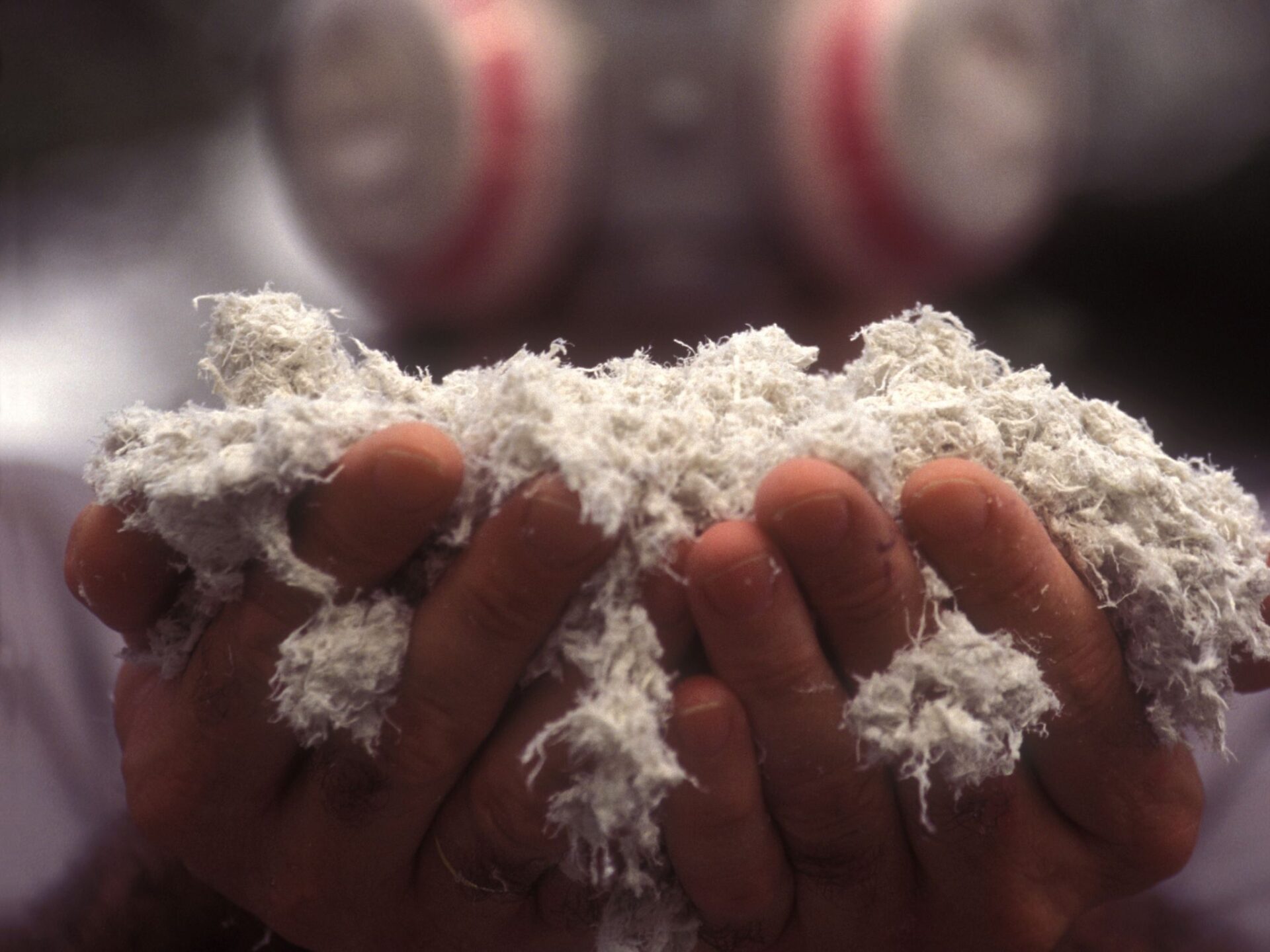
The question of where a railroad worker suffered harmful exposures to asbestos on the job always comes up in cases concerning mesothelioma and other lung diseases. My colleagues and I never fail to hear this from clients, who honestly want to know. We also hear it from opposing attorneys defending railroad corporations who want to “prove” that worksites were safe and healthy.
The list of answers is long, but making the connection between breathing in asbestos fibers while working is only one step in holding a former employer accountable for failing to limit asbestos exposures. Succeeding with a personal injury or wrongful death claim brought under the provisions of the Federal Employers Liability Act (FELA) also requires showing that the defendant railroad knew health hazards existed, acted negligently in not mitigating or eliminating those hazards, and filing suit within the applicable statute of limitations.
A former railroad employee who receives a diagnosis of mesothelioma or another lung disease that could be related to their work on and around trains should consult with an experienced FELA attorney. Only the basics concerning a lawsuit can be shared here.
Where Railroad Workers Encountered Asbestos on the Job
Steam Locomotives, Boilers, and Tenders
Asbestos insulation was extensively used on steam locomotives manufactured from the 1940s through the 1960s. The material covered the engine, boiler, steam pipes, and firebox. It was also packed into the walls and incorporated into the weave of engine covers and fire blankets. Terms used for this asbestos insulation include “lagging,” “magnesia,” and “magnesium.”
Much of the insulation was produced by a company named Johns-Manville. It was commonly used on steam locomotives operated by Norfolk & Western (which later became Norfolk Southern) and the railroads that merged to form CSX (e.g., C&O, B&O).
Firemen, engineers, and conductors could not help but come into contact with asbestos while crewing steam locomotives. They would brush against pipe wraps, handle covers, blankets, and service engines. Vibrations often shook asbestos fibers loose, making the hazardous material airborne. Sometimes, the air inside a locomotive was so choked with asbestos and other particulates that crew members felt like they were working in fog.
Cabooses
Standard caboose designs long called for placing asbestos insulation in ceilings and around stovepipes. Safer materials became available during the 1960s, but railroad corporations did not take steps toward asbestos abatement until the 1970s. This delay kept conductors in danger for far longer than necessary.
Diesel Locomotives
For a long time, gaskets and other components for diesel locomotives were made from asbestos. Tests have shown conclusively that even gaskets that bore no visible signs of wear had shed asbestos fibers.
Equipment inside diesel locomotives also contained asbestos. For instance, widely used Wabco radios incorporated a small sheet of asbestos as a heat shield. Of course, workers were near those radios.
Roundhouses and Shops
Old roundhouses were an absolute asbestos nightmare. Up until the 1970s, workers handled sheets of asbestos and repaired equipment wrapped in or actually made from the hazardous material. Mechanics and other shop personnel received practically no training to handle asbestos safely, and using masks and respirators was rare. Air quality testing for roundhouses was nonexistent for decades.
Brake Shoes
Because asbestos is a good insulator and heat-reducer, virtually all railroads used it in brake shoes from the 1950s through the 1990s. Replacing shoes released large amounts of fibers into the air.
There has been a great deal of discussion and litigation over how much asbestos in the air can be caused by changing a single brake shoe. The real problem was workers changing hundreds or thousands of pads.
Rail Yard Offices, Hotels, and Buildings
There are many documented cases of railroad workers in every area of railroad work having been diagnosed with asbestosis, lung cancer, or mesothelioma. Office and residential buildings used asbestos insulation for much of the 1900s. Asbestos was also incorporated into floor tiles, wall boards, and ceiling tiles as a fire retardant.
Consult with a Seasoned FELA Lawyer Today
A railroad injury or illness can be physically, emotionally, and financially devastating. If you have suffered a workplace injury or illness due to the negligence of your employer, contact Shapiro, Washburn & Sharp to schedule a free and confidential consultation with one of our skilled FELA attorneys. Our firm works diligently to get railroad workers and their families the financial compensation they deserve