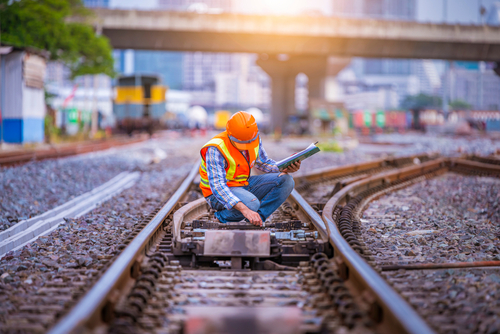
Railroad switching operations are among the most dangerous tasks performed by rail employees. Engineers, conductors, switchmen, brakemen, and track workers are routinely required to work on the ground, between moving railcars, and alongside active locomotives, often with little physical protection. In Virginia’s busy freight corridors, ports, rail yards, and industrial spurs, switching work places railroad employees in constant proximity to heavy equipment capable of causing catastrophic injury or death in seconds.
When injuries or fatalities occur during switching operations, railroad workers and their families are not covered by ordinary state workers’ compensation systems. Instead, they are protected under a federal law known as the Federal Employers Liability Act (FELA). Understanding how switching injuries happen, why they are so common, and how FELA claims work is essential for Virginia railroad workers seeking full compensation after a serious accident.
Why Switching Operations Are So Dangerous
Switching involves assembling, disassembling, and moving railcars within yards, sidings, and industrial areas. Unlike over-the-road train operations, switching often occurs:
- At slow speeds but very close quarters
- With multiple pieces of rolling stock moving independently
- In poorly lit, noisy, or congested environments
- Around uneven ballast, rails, and yard surfaces
During switching, railroad workers frequently have no cab, no barrier, and no physical protection between themselves and railcars weighing tens of thousands of pounds.
Common Switching Hazards
Switching operations expose workers to numerous hazards, including:
- Being crushed between railcars
- Slips, trips, and falls on uneven yard surfaces
- Sudden or unexpected car movement
- Defective couplers, hand brakes, or drawbars
- Misaligned switches
- Poor radio or hand-signal communication
- Fatigue during long shifts or night operations
According to data tracked by the Federal Railroad Administration, switching and yard operations consistently account for a significant share of railroad worker injuries, particularly among operating craft employees.
Updated Railroad Worker Injury Statistics
Railroad work remains one of the most hazardous occupations in the United States.
Based on recent FRA safety summaries:
- Thousands of railroad employees are injured each year
- Switching and yard operations are among the leading causes of on-the-job injuries
- Common injuries include fractures, crush injuries, amputations, spinal injuries, and fatalities
- A large percentage of serious injuries occur on the ground, not inside locomotives
In Virginia, where railroads serve ports, military installations, coal and aggregate facilities, and manufacturing centers, switching operations are routine and unavoidable — making safety practices and equipment maintenance critical.
How FELA Protects Injured Virginia Railroad Workers
When a railroad worker is injured or killed on the job, compensation does not come from a no-fault workers’ compensation system. Instead, railroad employees must pursue claims under FELA.
How FELA Is Different From Workers’ Compensation
Unlike state workers’ compensation laws, FELA:
- Requires proof that the railroad was negligent
- Allows injured workers to recover full damages, not limited benefits
- Permits claims for:
- Past and future medical expenses
- Lost wages and loss of earning capacity
- Pain and suffering
- Emotional distress
- Wrongful death damages for families
Because FELA cases involve proving fault, consulting with an attorney experienced in railroad injury litigation is critical.
Proving Negligence in a Switching Injury Case
Under FELA, a railroad has a non-delegable duty to provide employees with a reasonably safe place to work. This duty applies even when employees are injured on another railroad’s property or at an industrial facility.
An easy-to-understand explanation of negligence comes from materials published by the Brotherhood of Railroad Signalmen, which explains that negligence exists when a railroad:
- Failed to use due care under the circumstances
- Failed to do what a reasonable and prudent railroad would have done
- Did something a reasonable railroad would not have done
In switching cases, negligence may involve:
- Unsafe switching procedures
- Inadequate training or supervision
- Poor communication protocols
- Defective equipment
- Failure to correct known hazards
- Excessive work hours leading to fatigue
Importantly, the employee does not have to prove the railroad was 100% at fault. Even slight negligence that played a role in causing the injury can support a FELA claim.
Safety Statute Violations That Eliminate the Need to Prove Negligence
In some switching injury cases, proof of negligence is not required. This occurs when the injury involves violations of federal safety statutes, including:
- Federal Safety Appliance Act
- Boiler Inspection Act
These laws require railroads to provide specific safety equipment that must function properly at all times. Common violations in switching cases include:
- Defective couplers that fail to couple automatically
- Inoperative hand brakes
- Faulty air brake systems
- Unsafe locomotive components
When such violations are present, liability can be established without proving traditional negligence.
Wrongful Death Claims From Switching Accidents
Switching accidents are often fatal due to the sheer weight and force involved. When a railroad worker is killed, surviving family members may bring a FELA wrongful death claim.
These claims may recover compensation for:
- Lost financial support
- Loss of services
- Loss of companionship
- Funeral and burial expenses
- Conscious pain and suffering before death
Because evidence can disappear quickly after a fatal accident, early investigation is essential.
Frequently Asked Questions About Switching Injuries and FELA (Virginia)
Why are switching operations so dangerous?
Switching requires employees to work on foot around moving railcars with little physical protection, creating high risks of crush injuries, falls, and fatalities.
Does FELA work like workers’ compensation?
No. FELA requires proof of railroad negligence but allows much broader compensation, including pain and suffering and full wage loss.
What if I was partly at fault for my switching injury?
Under FELA, partial fault does not bar recovery. Damages may be reduced, but you can still recover compensation.
What equipment defects commonly cause switching injuries?
Defective couplers, hand brakes, switches, air brakes, and locomotives are frequent causes of serious switching injuries.
How long do I have to file a FELA claim in Virginia?
Generally, FELA claims must be filed within three years of the injury or death, but deadlines can be affected by specific circumstances.
Protecting Virginia Railroad Workers Through Accountability
Switching operations will always involve risk — but many injuries and deaths are preventable. When railroads fail to maintain equipment, enforce safe procedures, or provide adequate staffing and training, they violate their duty under FELA.
For Virginia railroad workers injured during switching operations, the law provides a powerful tool to seek accountability, financial security, and justice. Proper legal guidance ensures that railroad companies are held responsible for unsafe working conditions — and that injured workers receive the compensation they deserve.
Why Switching Operations Are So Dangerous
Switching involves assembling, disassembling, and moving railcars within yards, sidings, and industrial areas. Unlike over-the-road train operations, switching often occurs:
- At slow speeds but very close quarters
- With multiple pieces of rolling stock moving independently
- In poorly lit, noisy, or congested environments
- Around uneven ballast, rails, and yard surfaces
During switching, railroad workers frequently have no cab, no barrier, and no physical protection between themselves and railcars weighing tens of thousands of pounds.
Common Switching Hazards
Switching operations expose workers to numerous hazards, including:
- Being crushed between railcars
- Slips, trips, and falls on uneven yard surfaces
- Sudden or unexpected car movement
- Defective couplers, hand brakes, or drawbars
- Misaligned switches
- Poor radio or hand-signal communication
- Fatigue during long shifts or night operations
According to data tracked by the Federal Railroad Administration, switching and yard operations consistently account for a significant share of railroad worker injuries, particularly among operating craft employees.
Updated Railroad Worker Injury Statistics
Railroad work remains one of the most hazardous occupations in the United States.
Based on recent FRA safety summaries:
- Thousands of railroad employees are injured each year
- Switching and yard operations are among the leading causes of on-the-job injuries
- Common injuries include fractures, crush injuries, amputations, spinal injuries, and fatalities
- A large percentage of serious injuries occur on the ground, not inside locomotives
In Virginia, where railroads serve ports, military installations, coal and aggregate facilities, and manufacturing centers, switching operations are routine and unavoidable — making safety practices and equipment maintenance critical.
How FELA Protects Injured Virginia Railroad Workers
When a railroad worker is injured or killed on the job, compensation does not come from a no-fault workers’ compensation system. Instead, railroad employees must pursue claims under FELA.
How FELA Is Different From Workers’ Compensation
Unlike state workers’ compensation laws, FELA:
- Requires proof that the railroad was negligent
- Allows injured workers to recover full damages, not limited benefits
- Permits claims for:
- Past and future medical expenses
- Lost wages and loss of earning capacity
- Pain and suffering
- Emotional distress
- Wrongful death damages for families
Because FELA cases involve proving fault, consulting with an attorney experienced in railroad injury litigation is critical.
Proving Negligence in a Switching Injury Case
Under FELA, a railroad has a non-delegable duty to provide employees with a reasonably safe place to work. This duty applies even when employees are injured on another railroad’s property or at an industrial facility.
An easy-to-understand explanation of negligence comes from materials published by the Brotherhood of Railroad Signalmen, which explains that negligence exists when a railroad:
- Failed to use due care under the circumstances
- Failed to do what a reasonable and prudent railroad would have done
- Did something a reasonable railroad would not have done
In switching cases, negligence may involve:
- Unsafe switching procedures
- Inadequate training or supervision
- Poor communication protocols
- Defective equipment
- Failure to correct known hazards
- Excessive work hours leading to fatigue
Importantly, the employee does not have to prove the railroad was 100% at fault. Even slight negligence that played a role in causing the injury can support a FELA claim.
Safety Statute Violations That Eliminate the Need to Prove Negligence
In some switching injury cases, proof of negligence is not required. This occurs when the injury involves violations of federal safety statutes, including:
- Federal Safety Appliance Act
- Boiler Inspection Act
These laws require railroads to provide specific safety equipment that must function properly at all times. Common violations in switching cases include:
- Defective couplers that fail to couple automatically
- Inoperative hand brakes
- Faulty air brake systems
- Unsafe locomotive components
When such violations are present, liability can be established without proving traditional negligence.
Wrongful Death Claims From Switching Accidents
Switching accidents are often fatal due to the sheer weight and force involved. When a railroad worker is killed, surviving family members may bring a FELA wrongful death claim.
These claims may recover compensation for:
- Lost financial support
- Loss of services
- Loss of companionship
- Funeral and burial expenses
- Conscious pain and suffering before death
Because evidence can disappear quickly after a fatal accident, early investigation is essential.
Frequently Asked Questions About Switching Injuries and FELA (Virginia)
Why are switching operations so dangerous?
Switching requires employees to work on foot around moving railcars with little physical protection, creating high risks of crush injuries, falls, and fatalities.
Does FELA work like workers’ compensation?
No. FELA requires proof of railroad negligence but allows much broader compensation, including pain and suffering and full wage loss.
What if I was partly at fault for my switching injury?
Under FELA, partial fault does not bar recovery. Damages may be reduced, but you can still recover compensation.
What equipment defects commonly cause switching injuries?
Defective couplers, hand brakes, switches, air brakes, and locomotives are frequent causes of serious switching injuries.
How long do I have to file a FELA claim in Virginia?
Generally, FELA claims must be filed within three years of the injury or death, but deadlines can be affected by specific circumstances.
Protecting Virginia Railroad Workers Through Accountability
Switching operations will always involve risk — but many injuries and deaths are preventable. When railroads fail to maintain equipment, enforce safe procedures, or provide adequate staffing and training, they violate their duty under FELA.
For Virginia railroad workers injured during switching operations, the law provides a powerful tool to seek accountability, financial security, and justice. Proper legal guidance ensures that railroad companies are held responsible for unsafe working conditions — and that injured workers receive the compensation they deserve.