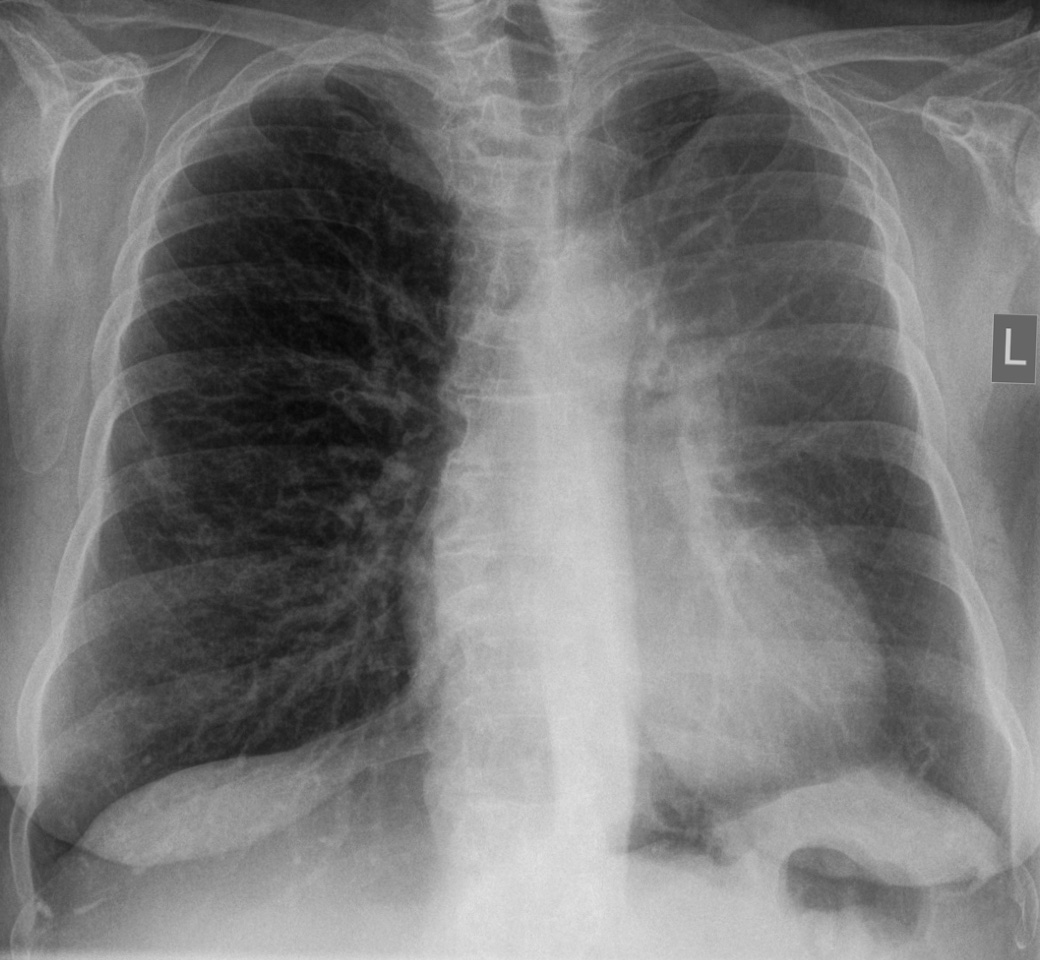
Railroads are hazardous places to work. Every day, employees face derailments, being struck by trains, poorly maintained equipment, and slip-and-fall injuries. Workers for major railroads like Union Pacific, CSX, and Norfolk Southern also face a quieter, slower danger: routine exposure to toxic chemicals and substances that can cause permanent harm to their health. Not long ago, asbestos was the chief concern. Once its link to mesothelioma was established, workers largely stopped using it, but they still face exposure to other hazardous substances, including degreasers, coal dust, creosote, and diesel fumes. Trains hauling toxic cargo like chlorine pose an added danger if they derail. A Norfolk railroad injury attorney can help a worker whose health was damaged by these exposures.
Chemical Dangers on the Railroad
Railroad workers can be exposed to a range of chemicals that threaten both their health and their livelihoods. Some of the most significant include:
Benzene
Railroad employees can be exposed to benzene, a cancer-causing chemical found in degreasing solvents and in the diesel exhaust emitted by trains. Because of its known dangers, regulators heavily restrict benzene, yet many benzene-containing products remain in use on railroads. The International Agency for Research on Cancer classifies benzene as a Group 1 human carcinogen, and its clearest links are to cancers of the blood and bone marrow. Benzene is a recognized cause of acute myeloid leukemia and has also been associated with other blood cancers, including acute and chronic lymphocytic leukemia, multiple myeloma, non-Hodgkin lymphoma, and myelodysplastic syndrome.
Solvents and Hydrocarbons
Railroad workers can also fall ill from exposure to solvent mixtures and hydrocarbons. These products can cause peripheral neuritis, an inflammation of the nerves in the arms and legs, and their fumes are highly toxic. Exposure to solvents and hydrocarbons is a leading cause of toxic encephalopathy, a form of permanent brain damage that occurs when small quantities travel through the bloodstream into the brain. Symptoms, including trouble focusing, memory loss, and fatigue, are often mistaken for normal aging, which can delay recognition of the real cause.
Diesel Fumes
Diesel exhaust is one of the most significant hazards railroad workers face. The International Agency for Research on Cancer classified diesel engine exhaust as a Group 1 human carcinogen in 2012, and a 2004 study published in the National Library of Medicine’s database found that long-term exposure to the diesel fumes in railroad exhaust significantly increases the risk of lung cancer. As with many exposures, symptoms often do not appear until years after exposure.
Coal Dust
Coal dust is a major health concern for rail workers and communities near coal trains. It has been linked to lung cancer, and both workers and nearby residents have shown elevated rates of hospitalization for chronic obstructive pulmonary disease and other conditions.
Lead
The rail industry has long been a heavy user of lead, exposing workers to a toxic metal that can cause a wide range of illnesses. Lead poisoning damages the nervous system and can produce symptoms including tremors, hallucinations, and insomnia.
Asbestos
For decades, asbestos was everywhere on the railroad. Its heat-resistant properties and low cost made it the favored insulation material, and when diesel locomotives replaced steam engines in the 1950s, railroads kept using it. That continued until the 1970s, when the link between asbestos and mesothelioma became clear. Although it has largely fallen out of use, asbestos can still be found in some older railroad equipment and structures, and exposure decades ago can still produce mesothelioma today.
Why These Claims Require Experienced Counsel
Many railroad workers dismiss the early symptoms of a toxic-exposure illness because they do not connect them to chemicals they handled years or decades earlier. By the time the illness is diagnosed, the exposure is long past, making it difficult to prove the connection. It typically requires industrial hygienists to reconstruct the exposure history, medical professionals to link that exposure to the diagnosis, and a thorough understanding of what the railroad knew about the substances it used.
Our attorneys bring more than 100 years of combined legal experience to railroad injury and illness claims, and we have handled hundreds of these cases for workers and their families. That experience has produced significant results in toxic exposure and occupational disease cases, including a multimillion-dollar award for the estate of a railroad worker who died of cancer after decades of on-the-job toxic exposure. Results depend on the specific facts of each case, but outcomes like that reflect the effort these claims require.
Exposed to Toxic Chemicals on the Railroad? Contact Us Today
If you suspect you were exposed to hazardous substances or toxic chemicals during your railroad career, a Norfolk railroad injury attorney at Shapiro, Washburn & Sharp can review your history and pursue the compensation you deserve. Contact us at 833-997-1774 for a free case evaluation, or reach us online. We have offices in Virginia Beach, Portsmouth, Suffolk, Hampton, Norfolk, and Chesapeake, and we are ready to put our decades of railroad injury experience to work for you and your family.