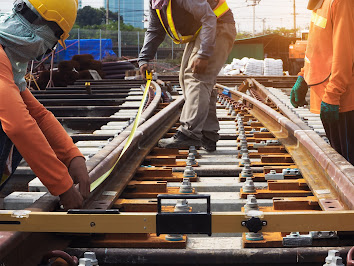
Railroad yard work is demanding, physical, and genuinely dangerous. Switching and coupling accidents happen in seconds, and the injuries they cause, from broken bones to spinal trauma, can alter the course of your life. If you’ve been hurt on the job, the steps you take in the hours and days that follow matter more than most people realize.
Your Rights Are Different From Other Workers
Railroad workers don’t fall under typical state workers’ compensation laws. Instead, you’re protected by the Federal Employers’ Liability Act, or FELA. It’s a federal law specifically designed for railroad employees, and it works very differently from workers’ comp.
Under workers’ comp, you generally receive benefits regardless of who was at fault. FELA requires you to prove that the railroad’s negligence contributed to your injury. That sounds harder, but it also means you can recover compensation for pain and suffering, lost future earnings, and other damages that standard workers’ comp programs won’t touch.
A qualified FELA lawyer understands these distinctions and can make a significant difference in how your case unfolds.
What To Do Immediately After The Accident
Don’t wait. Don’t assume someone else is handling it. Take control of what you can.
Report The Injury Right Away
Tell your supervisor immediately. Some workers hesitate because they don’t want to seem like they’re making a big deal out of things. Don’t let that instinct work against you. Reporting creates an official record, and that record becomes important evidence.
Get Medical Attention
Even if you feel like you can push through, get evaluated. Some injuries, including internal damage and soft tissue trauma, don’t show their full symptoms for hours or days. A medical evaluation documents your condition at the time of the accident, which protects you later.
Keep every receipt, every record, every note from every appointment.
Gather Evidence At The Scene
If you’re physically able to, take photographs. The condition of the equipment, the lighting in the yard, any wet or icy surfaces, the position of railcars – document everything. Ask for the names and contact information of any witnesses. Write down exactly what happened while it’s still fresh.
What Railroads Won’t Tell You
Railroads are businesses with legal teams, risk managers, and a clear financial incentive to limit payouts after an accident. Their representatives may seem helpful and sympathetic right after an injury. Some of that’s genuine. But understand that their goal and your goal are not the same.
You may be asked to give a recorded statement. You may be offered a quick settlement. Both of those things can seriously hurt your case if you’re not careful. A quick settlement might sound appealing when you’re hurting and out of work, but it almost never reflects the full value of your claim.
Don’t sign anything until you’ve spoken with an attorney.
Common Causes of Switching And Coupling Accidents
These accidents don’t happen randomly. There are patterns, and those patterns often point back to railroad negligence.
- Defective or poorly maintained equipment
- Inadequate lighting in the yard
- Failure to follow proper switching procedures
- Insufficient staffing that forces workers into unsafe positions
- Lack of proper training for newer employees
- Slippery or hazardous track conditions that weren’t addressed
If any of these factors contributed to your injury, that’s relevant to a FELA claim. Proving it, though, requires investigation, documentation, and legal knowledge.
Understanding What You Can Recover
FELA claims aren’t capped the way workers’ compensation benefits typically are. Depending on the facts of your case, you may be able to recover:
- Medical expenses, past and future
- Lost wages and reduced earning capacity
- Pain and suffering
- Emotional distress
- Costs associated with long-term care or rehabilitation
The Bureau of Labor Statistics consistently reports that transportation and warehousing sectors, which include railroad operations, carry some of the highest rates of nonfatal occupational injuries. That data reflects what workers on the ground already know: these jobs carry real physical risk, and when something goes wrong, the consequences can be severe and long-lasting.
Why Timing Matters More Than You’d Think
FELA has a three-year statute of limitations. Three years sounds like plenty of time, but investigations take time. Evidence disappears. Equipment gets repaired or replaced. Witnesses move on. The sooner you begin the process, the stronger your position will be.
There’s also something that happens psychologically when people wait. Details get muddled. What seemed clear at the scene becomes uncertain months later. Starting early means starting from a stronger evidentiary foundation.
How An Attorney Can Help
A FELA lawyer does more than file paperwork. They investigate the scene, request maintenance records, depose witnesses, work with medical professionals to document your injuries, and build a case that accounts for what your injury actually costs you, not just what it’s cost you so far.
The attorneys at Shapiro, Washburn & Sharp have worked with injured railroad workers and understand the federal legal framework that governs your case. This isn’t standard personal injury territory. It requires attorneys who know FELA inside and out.
Talking To Your Coworkers
You might be surprised how much your coworkers know. Were there prior complaints about that piece of equipment? Had someone flagged the lighting issue before? Did a supervisor know about a problem and do nothing?
Other workers can be powerful witnesses, but they may be hesitant to get involved. That’s understandable. An experienced attorney knows how to handle those conversations in a way that protects everyone involved.
Don’t Let The Railroad Control The Narrative
Railroad companies are experienced at managing injury claims. They move quickly. Their goal is often to gather information and settle fast, before you fully understand the extent of your injuries or what you’re entitled to. That’s not speculation, it’s a well-documented pattern in how large employers respond to workplace injury claims.
You have rights under federal law. Those rights exist because Congress recognized, more than a century ago, that railroad work is dangerous and that workers deserve real legal protection when something goes wrong.
If you’ve been injured in a switching or coupling accident, or any other railroad yard incident, contact Shapiro, Washburn & Sharp for a free consultation with a personal injury lawyer. Call us at (833) 997-1774. We’ll review your situation, answer your questions, and help you understand your options. You don’t have to figure this out alone.