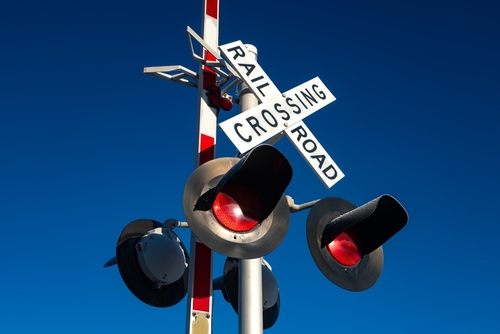
Railroad crossings remain one of the most dangerous intersections on Virginia roads. Trains can approach at any time, from either direction, and modern locomotives are often quieter than people expect, giving drivers, pedestrians, and cyclists less warning that a train is coming. When something goes wrong at a railroad crossing, the results are often catastrophic.
According to the Federal Railroad Administration, hundreds of people are killed every year in train-vehicle and train-pedestrian collisions nationwide. While railroad companies frequently argue that these deaths result from motorists taking risks or ignoring warnings, real-world investigations show that many crossing crashes involve preventable hazards and infrastructure failures, not reckless behavior.
For Virginia families affected by railroad crossing tragedies, understanding why these accidents happen is critical to determining whether a railroad company, government entity, or contractor may be legally responsible.
Railroad Crossing Fatality Statistics
Railroad crossings remain a persistent safety problem across the United States and in Virginia.
According to recent data compiled by the National Highway Traffic Safety Administration and the Federal Railroad Administration:
- Over 2,100 vehicle-train collisions occur at railroad crossings in the U.S. each year
- More than 230 people are killed annually in railroad crossing accidents
- Thousands more are injured, many with permanent or disabling injuries
- On average, a person or vehicle is struck by a train roughly every three hours
Virginia consistently ranks among states with significant rail traffic, particularly in freight corridors serving ports, military installations, and industrial hubs. With thousands of public and private crossings statewide, even a small failure in warning systems or visibility can have deadly consequences.
Why Trains Are Especially Dangerous at Crossings
Trains Cannot Stop Quickly
One of the most misunderstood aspects of railroad safety is stopping distance. A fully loaded freight train traveling at 55 miles per hour can take a mile or more — the length of 18 football fields — to come to a stop, even with emergency braking.
Once a train engineer sees a vehicle on the tracks, there is often nothing they can do to prevent a collision.
Modern Trains Are Quieter
Technological improvements have reduced engine noise and rolling resistance. While this improves efficiency, it also means that people may not hear a train approaching, especially inside modern vehicles with sound insulation or when wearing headphones or earbuds.
The Railroad Industry’s Narrative: “Drivers Take Risks”
Railroad companies often claim that crossing accidents are caused solely by drivers:
- Ignoring flashing lights
- Driving around lowered gates
- Attempting to “beat the train”
While risky behavior does occur in some cases, this explanation ignores a large number of crashes where warning systems failed or visibility was compromised.
As Virginia railroad accident attorneys know, many crossing accidents happen even when drivers are behaving cautiously.
Common Railroad Crossing Hazards That Cause Accidents
Malfunctioning Gates and Flashing Lights
At active crossings, warning systems are supposed to alert drivers well before a train arrives. However, investigations have uncovered cases where:
- Gates failed to lower
- Flashing lights did not activate
- Warning systems were activated too late
- Electrical or maintenance failures went unaddressed
When these systems malfunction, drivers may enter a crossing believing it is safe—until it is too late.
Passive Crossings With Limited Visibility
Many Virginia crossings are passive crossings, meaning there are no gates or flashing lights, only:
- Painted pavement markings
- Crossbuck signs
- Fixed warning signs
At these crossings, sight distance is critical. Unfortunately, vegetation overgrowth, parked rail equipment, buildings, or terrain can block a driver’s view of oncoming trains.
A federal study of train-vehicle collisions found that sight obstruction was present in hundreds of crashes, resulting in dozens of deaths and hundreds of injuries. These are not random accidents—they are often predictable and preventable.
Poor Crossing Design or Maintenance
Other contributing factors include:
- Poor lighting at night
- Uneven or deteriorated crossing surfaces
- Confusing signage
- Inadequate advance warning distances
- Failure to upgrade known high-risk crossings
Railroads and, in some cases, state or local authorities may share responsibility for addressing these hazards.
The Human Cost Extends Beyond the Victims
Railroad crossing collisions not only devastate the families of drivers or pedestrians. Train engineers are often deeply traumatized by these crashes.
In many cases, engineers have followed all safety rules, sounded the horn, and applied emergency braking – yet still witness a fatal impact they are powerless to prevent. The psychological toll on rail crews is real and long-lasting, adding another dimension to why preventing these accidents matters.
When Railroad Crossing Accidents Are Not “Just Accidents”
Under Virginia law and federal railroad safety regulations, railroad companies have a duty to:
- Properly maintain crossings
- Ensure warning systems function correctly
- Manage vegetation and sight obstructions
- Address known hazards
- Coordinate with public authorities on crossing safety improvements
When they fail to do so, and someone is killed or injured, the crash may involve legal liability, not just tragedy.
Frequently Asked Questions About Railroad Crossing Accidents
How many people are killed at railroad crossings each year?
Nationwide, more than 230 people are killed annually in train-vehicle and train-pedestrian collisions, with thousands more injured.
Are most railroad crossing accidents caused by driver error?
Not always. While driver behavior can play a role, many crashes involve malfunctioning warning systems, blocked sightlines, or poorly designed crossings.
What is a passive railroad crossing?
A passive crossing has no gates or flashing lights—only signs and pavement markings. These crossings rely heavily on clear visibility and proper maintenance.
Can a railroad be held responsible for a crossing accident?
Yes. Railroads may be liable if they failed to maintain warning devices, manage vegetation, address known hazards, or comply with safety standards.
Why can’t trains stop in time to avoid collisions?
Freight trains can take a mile or more to stop, even in emergencies. Once a vehicle enters the tracks, a collision is often unavoidable.
Protecting Virginia Communities From Preventable Tragedy
Railroad crossings are not inherently unsafe—but neglect, outdated infrastructure, and ignored warnings make them dangerous. When railroads or responsible agencies fail to correct known hazards, innocent people pay the price.
For Virginia families affected by railroad crossing accidents, accountability is not about blame — it is about preventing future deaths, improving safety, and honoring lives lost to preventable failures.
If you were injured in a railroad crossing accident through no fault of your own, contact the Norfolk railroad injury lawyers at Shapiro, Washburn & Sharp. When you partner with us, you will work with an attorney who understands the laws that apply to your case, is able to perform a thorough investigation, gather statements, records, and other strong evidence that back your claim, and maximize your financial compensation. By using these methods, we obtained a $133,000 settlement for a client after her two children were injured when their vehicle was struck at a train crossing. To schedule your free consultation, call (833) 997-1774 or fill out our online contact form. We have offices in Norfolk, Hampton, Chesapeake, Portsmouth, and Virginia Beach.